By Data RecoveryUpdated on January 17, 2026
Although gaining the highest permission (root) on Android devices has always been somewhat controversial, in the field of Android data recovery—especially retrieving lost data from internal storage—root permission often makes the operation more efficient. For experienced Android users, data recovery on rooted devices is relatively simple. However, many users need to recover deleted files from unrooted Android phones due to the lack of available root solutions or concerns about the risks of rooting independently. Whether your device is rooted or not, this article will provide safe and reliable methods to help you retrieve accidentally deleted important data from your phone or tablet.
Android Data Recovery tool is a powerful yet user-friendly professional software, known as the “master key” for data recovery. Whether data loss stems from accidental deletion, system crashes, or factory resets, it provides a reliable solution.


Core Highlights:
1.Wide compatibility: Supports over 6000 Android device models, covering mainstream and niche brands;
2.Dual-storage recovery: Extracts lost data from both internal device storage and SD cards;
3.Root-free scanning: Basic data recovery does not require root access, ensuring safer operation;
4.Preview and filter: After scanning, preview all recoverable data to precisely select needed files;
5.Safe and risk-free: The recovery process does not overwrite existing data, protecting the security of original information.
Supported Scope:
1.Device brands: Fully covers mainstream brands such as Samsung, Google Pixel, Huawei, Xiaomi, OnePlus, OPPO, vivo, LG, Motorola, Sony, etc.;
2.Data types: Contacts (including names, phone numbers, emails), text messages (SMS/MMS), photos and videos, documents (Word/Excel/PDF), call logs, WhatsApp data, and data from various apps.
Operation Steps:
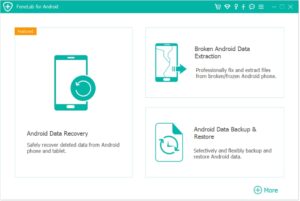
Step 1:Download and install: Download and install the tool from the official website on a Windows or Mac computer;
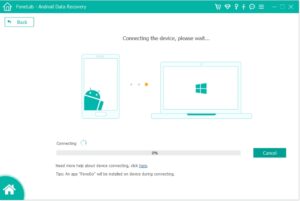
Step 2:Connect the device: Connect your Android phone to the computer using a USB data cable;
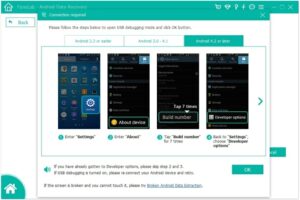
Step 3:Enable debugging: Follow the software prompts to enable USB debugging mode on your phone;
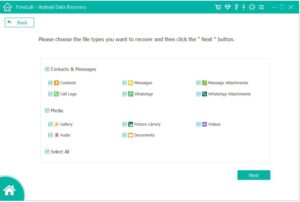
Step 4:Select types: Check the categories of data you need to recover (e.g., photos, text messages);
Step 5:Scan and preview: The software will automatically scan the device, and you can preview recoverable data after completion;
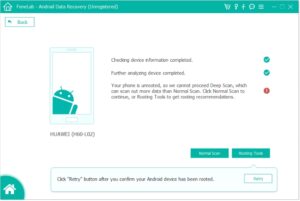
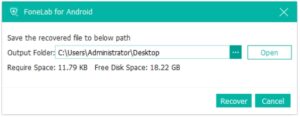
Step 6:Recover and save: Select the target files, click the “Recover” button, and save the data to a specified location on your computer.
If your Android device has Google Backup enabled, data may have been automatically synced to the cloud. You can recover it through the following steps:
Step 1:Check backup: Go to “Settings” > “Google” > “Backup” on your phone to confirm if the lost data is in the backup list;
Step 2:Factory reset: Navigate to “Settings” > “System” > “Reset” > “Factory data reset” (this step will erase current device data);
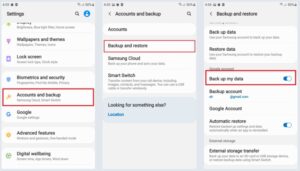
Step 3:Log in and recover: During device initialization, log in to your Google account and select the backup file containing the target data to complete the recovery.
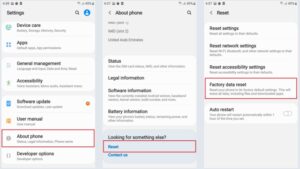
Note: Only use this method if the latest backup includes the lost data to avoid unnecessary effort.
If the lost files were originally stored on an SD card, you can quickly retrieve them using a file manager with a Recycle Bin function—no computer required:
1.Install the tool: Download a file manager that supports the Recycle Bin function, such as File Commander or X-plore File Manager;
2.Locate the folder: Open the app and find the “Trash” or “Recently Deleted” folder (deleted files are temporarily stored here);
3.One-click recovery: Long-press the file you want to recover and click “Restore” to revert it to its original location.
If you usually store photos and videos in Google Photos, you can retrieve recently deleted files through its Recycle Bin function:
1.Open the app: Launch Google Photos on your phone;
2.Access the Recycle Bin: Click “Library” > “Trash” at the bottom (files are retained here for 30 days);
3.Select and recover: Check the photos or videos you want to retrieve, click “Restore,” and they will be restored to the original folder.
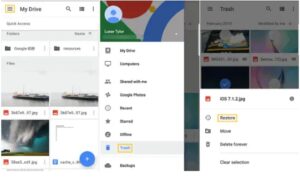
Tip: Files older than 30 days will be permanently deleted—operate within the validity period.
Some Android manufacturers such as Samsung, Xiaomi, and Huawei offer exclusive cloud backup services. You can recover data specifically if you enabled it in advance:
1.Access settings: Open “Settings” > “Backup & Restore” on your phone and find the manufacturer-specific backup option (e.g., Samsung Cloud, Xiaomi Cloud);
2.Log in to your account: Enter your brand account password to log in to the cloud storage platform;
3.Select recovery: Check the types of data you need to recover (e.g., text messages, photos, app settings) and follow the prompts to complete the recovery.
Expert Advice on Android Data Protection:
Prevention is better than cure. Here are some tips to help you reduce the risk of data loss:
1.Enable automatic backup: Turn on Google Drive automatic backup in “Settings” > “System” > “Backup” on your phone;
2.Separate storage: Store large files such as photos and videos on an SD card to improve recovery success rates;
3.Be cautious with app installations: Avoid installing apps from unknown sources to prevent malware from stealing or deleting data;
4.Dual backup: Combine cloud backup with offline backups such as computers and external hard drives to ensure data is fully protected;
5.Prepare tools in advance: Pre-install Android Data Recovery tool on your computer to handle sudden data loss.
Don’t let data loss become a regret. Master these recovery techniques and keep precious information from slipping away easily!
Copyright © 2025 DatasRecovery All rights reserved.
 iPhone Data Recovery
  iPhone Unlocker
  Android Data Recovery
  Broken Android Data Extraction
  Android Unlocker
  Data Recovery (Windows/Mac)